
History of Block Breaker
The simple joy of moving a paddle to bounce a ball and break a wall of bricks is one of the oldest and most lasting ideas in video games. Since history of block breaker started almost fifty years ago. The style of game we now call block breaker has been loved by millions which lead to endless copies, follow ups and new versions. This kind of game isn’t just a piece of history; it’s a perfect mix of simple physics, sharp skill and fun difficulty that helped create the arcade and home gaming world.
This article explores the interesting start of this straight forward game, following its journey from a simple, black and white arcade machine to the feature packed games you can play in your browser today.
How It Began: From Pong to Breakout
The real start of the block breaker style of game wasn’t the bricks, but the basic rules set by Pong in 1972. Atari engineer Al Alcorn made Pong as a simple video game version of tennis, showing that easy-to-understand physics could be fun and engaging. After Pong became a huge hit, Atari’s co-founder Nolan Bushnell gave his team a new task: make a one-player version of that paddle game.
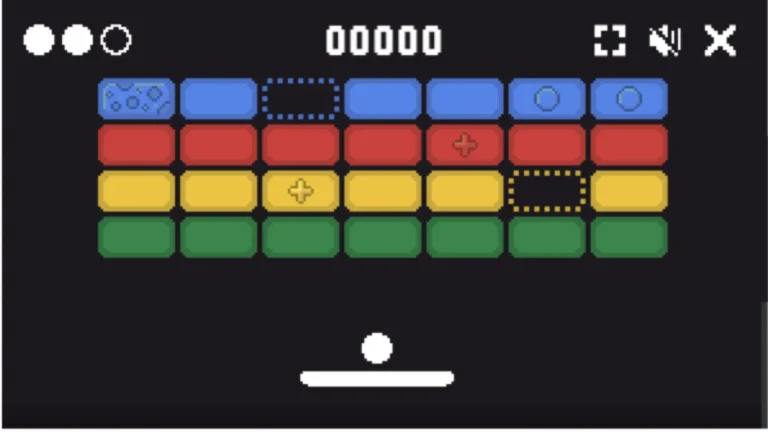
This led to the creation of Breakout in 1976, which was helped along by Apple’s future founders, Steve Jobs and Steve Wozniak. Breakout’s big idea was to turn the opponent into a still, colorful wall made of bricks. Your goal was straightforward: destroy every brick by bouncing the ball into them. Breakout improved on Pong’s physics by letting you control the ball’s bounce. Hitting the ball with the center of your paddle sent it straight up, but hitting it with the edges sent it off at sharper, more useful angles. This new idea added more strategy and skill right away, going far beyond just hitting the ball back.

Cultural Impact and The Arcade Boom on the History of Block Breaker
Breakout was a huge hit, helping the coin operated arcade business grow fast. Its straightforward design was cheap to make and everyone could enjoy it, needing no explanation to start playing. Its success started a flood of copycat games trying to cash in on the brick-breaking trend, making this game style an important part of early video game history.
How Block Breaker Games Changed: Adding Power Ups
For almost ten years, these games stayed very close to the original Breakout model. The core gameplay was so solid that new ideas were slow to come, often just small graphic updates or slight changes to the levels. This all changed in 1986 when Taito released Arkanoid.
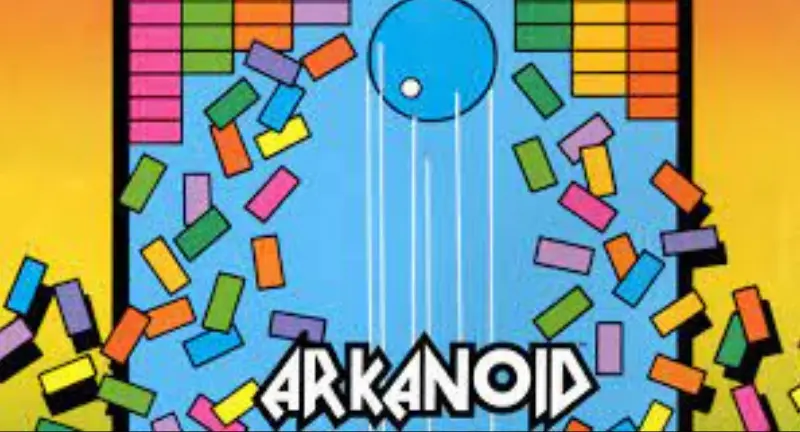
Arkanoid totally changed the block breaker experience by adding two key things: a little story (you were flying the starship Vaus) and, most importantly, power-ups.
Adding falling items that gave you special abilities like being able to catch the ball, split it into several balls, or make your paddle wider turned the simple physics game into a strategic race for power. Level designs got more detailed, adding unbreakable blocks, enemy obstacles, and even big boss fights. These changes turned the style from a calm task of clearing a wall into a fast, exciting challenge. Arkanoid’s success changed what players wanted and set the stage for almost every modern version of this style of game, including many you play online today that have lasers and different ball types.
Key Innovations of the 1980s and 90s
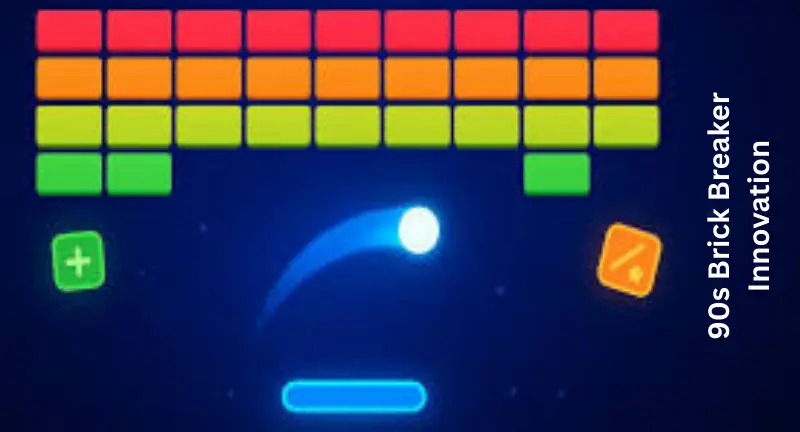
After Arkanoid, games like Jardinains and DX-Ball kept working to improve the recipe, focusing on more complicated level designs and better graphics. The block breaker style proved it could work anywhere, becoming popular on every new computer and console, from the Commodore 64 and the original Nintendo to personal computers. Its lasting charm comes from the simple control (just moving a paddle side-to-side) mixed with the deeper strategy of aiming the ball and choosing the right power-ups.
The Modern Comeback: Browser games and Easy Access
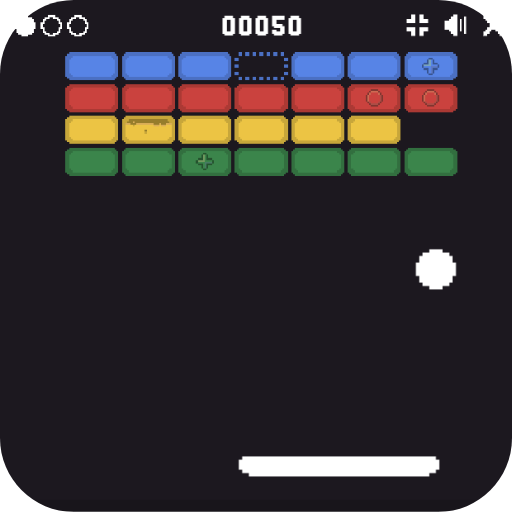
In the 2000s, the block breaker game found a powerful new place to live: your web browser. The simple visuals and physics based gameplay made these games a perfect fit for early Flash games and, later, modern HTML5 games that need no download or special computer.
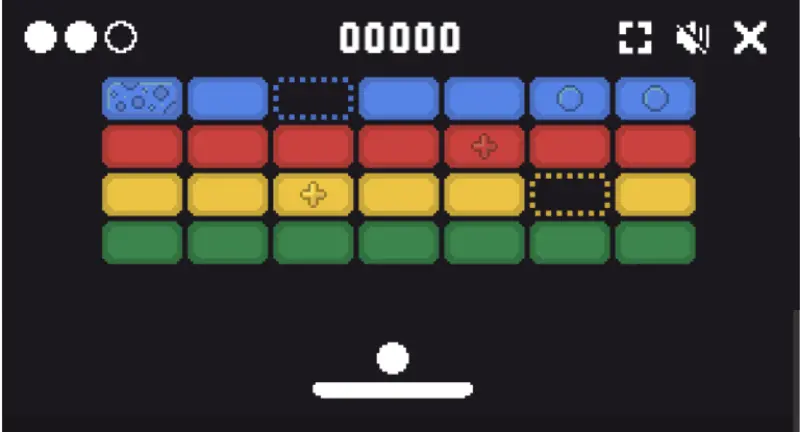
The browser has kept the style’s main idea of being easy to get into. Today’s online versions often have countless levels, detailed score systems, and better physics that run smoothly on any device, whether you use a mouse, keyboard, or touch screen. These modern takes, which you often see as simple “doodle” games, show that the basic fun idea from Atari is still a language everyone understands.
Why Block Breaker Still Works Today?
The lasting power of this style is in its perfect balance. It’s easy to pick up even a kid gets the goal right away but tough to get really good at. The skill of aiming the ball just right, clearing a path for a smart “tunneling” move, and grabbing a multi ball power-up still creates a very satisfying cycle that can hook players for a quick break or a long session. The simple block breaker has lasted through the ages, showing us that sometimes the most straightforward ideas in gaming are the ones that never get old.